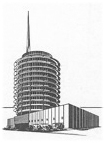

NoriMuster.com Est. 2005 * home for Nori's writing,* including books* graduate work - juvenile justice,* thesis,* 1950s Capitol Records history,* and media.*
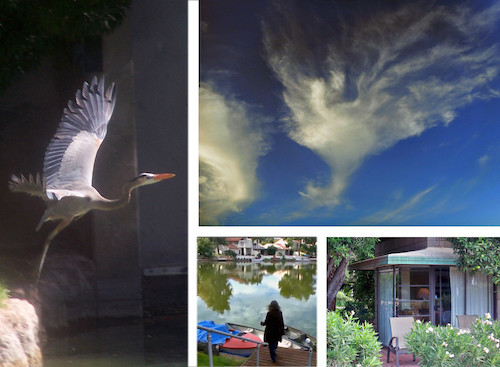
Surrealist.org Est. 2000 * home for Nori's artwork,* travel photos,* Betrayal of the Spirit book reviews,* Dream Studies,* Cultic Studies,* Pray for Peace,* Surrealist News,* and readings from the Daoist book of changes, I Ching.*
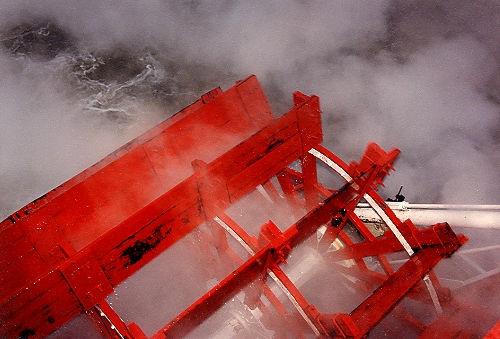
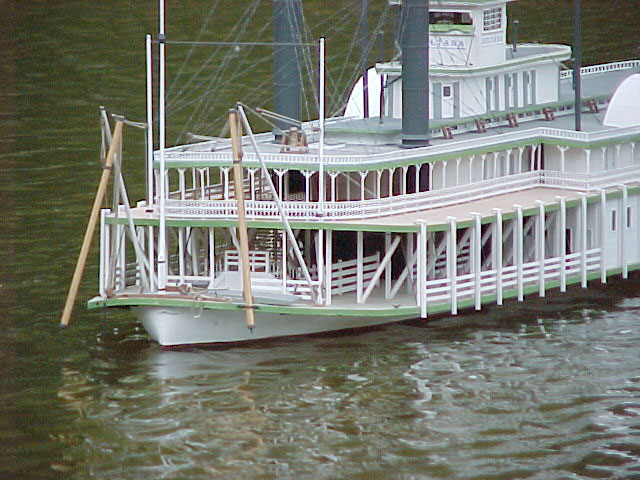
Steamboats.com Est. 1998 * river news blog, * online steamboat museum,* model boat network,* genealogy research library,* onboard Amazon.com bookshop,* and technology for a sustainable environment.*
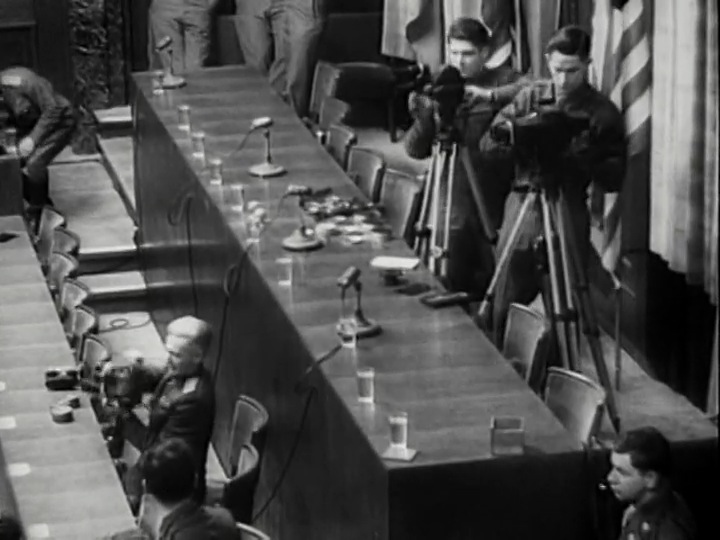
BillMuster.com Est. 2009 * information on the life of Nori's father, Bill Muster (1926-1989),* family genealogy,* including Civil War ancestor John Muster (1830-1887),* career information, including Capitol Records, the Delta Queen Steamboat, Muzak, and California Communications,* the SATW Bill Muster Photo Awards,* and his photos of the Nuremberg Trials.*
Read More

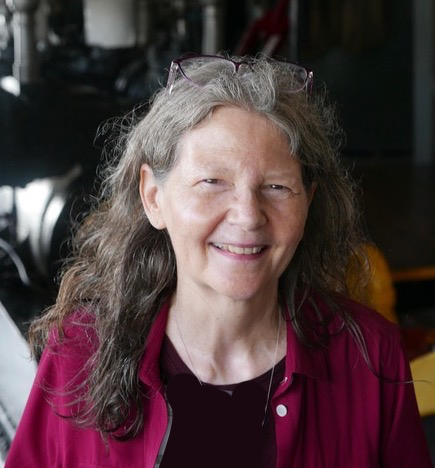
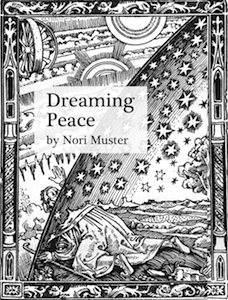
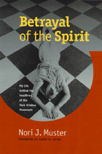
Nori has been a journalist writing for publication since 1980. She has a Master of Science degree from Western Oregon University and her thesis is on whether to use therapeutic art with juveniles. She has published several books, including her memoir, Betrayal of the Spirit.

P.O. Box 41750, Mesa, AZ 85274
(480) 275-7889
Always glad to hear from people. Best way to reach me is old fashioned email: norimuster - at - gmail








 genealogy